Puppy Training · Los Angeles
In-Home Puppy Training in Los Angeles
Good habits from week one: gentle handling, softer play and calm LA outings for your puppy and your whole household.
- In-Home & Private
- BBB A+ Accredited
- Training Since 2011
Ask About Puppy Training
Tell Raquel about your dog and what is going wrong. She will call you back to talk it through.
Your details stay private. Prefer to talk now? (323) 629-3767
Puppy Training
Puppy Training in Los Angeles, From the First Week Home
A new puppy fills the house with joy, and with needle teeth, chewed charging cables and 3 a.m. wake-up calls. With Raquel, in-home puppy training in Los Angeles shapes that early chaos into habits you will be glad to live with for years. She comes to you and coaches everyone who feeds, walks and plays with your pup.
Since 2011, Raquel’s dog training in Los Angeles has welcomed plenty of puppies. Good puppy training is mostly prevention: shaping a habit at 10 weeks is far easier than undoing it at 10 months. Her Puppy Packages, made for pups under 6 months, give you a plan for those first months, and her free advice stays with you as your pup grows.
Why the First Three Months Matter So Much
A puppy’s first three months are its prime window for socialization, according to the American Veterinary Society of Animal Behavior (AVSAB, 2008). What a puppy meets calmly in that window, from strangers to traffic noise, tends to feel normal for life. What it never meets can feel threatening later on.
The AVSAB position statement on puppy socialization adds a striking point: behavioral issues, not infectious diseases, are the number one cause of death for dogs under three years old. That is why it calls socialization before full vaccination the standard of care. Your vet sets the vaccine schedule, and Raquel helps you use the weeks around it well.
A puppy that nips or steals socks is not being bad. It is learning what works, and every repeat makes the habit stronger. Raquel sets up your home so the right choices come first.
What the Puppy Package Includes
The Puppy Package has three parts. First comes a One-Day In-Home Master Class, then follow-up sessions in your neighborhood or a local park, then free advice for as long as you need it. You learn alongside your puppy throughout, so progress never depends on a trainer being in the room.
The Master Class at Home
The opening visit lasts 3 to 5 hours, in your own home. Raquel watches how your puppy plays, eats, rests and greets people, then builds a routine, house rules and a plan for biting, chewing and jumping. Everyone at home learns the same cues, so your puppy hears one language instead of four.
Follow-Ups and Free Advice
Later visits, each 1 to 2 hours, move outside to sidewalks and parks, where living room cues must hold up beside a passing bus. Raquel’s free advice then covers the fast-changing phases ahead: the pup who was easy at 10 weeks may test every rule at 5 months. Each step is laid out on the private in-home dog training page.
Core Puppy Skills Raquel Covers
Puppy training with Raquel covers the skills that make daily life easier and the manners that stop small habits from growing. Each plan fits your puppy’s breed, energy and home, from a Koreatown studio to a house with a yard, two kids and a cat.
- Responding to its name
- Sit, down and come
- First walks on a leash
- Settling on a bed or mat
- Waiting calmly at doors
- Biting and nipping hands
- Biting and nipping hands
- Jumping on guests
- Calm handling of paws, ears and mouth
- Relaxed grooming and vet visits
Biting deserves special attention. Mouthing is normal, but a puppy also needs bite inhibition: learning how gentle its mouth must be with people. Raquel shows the whole family how to respond the same way every time. A steady rhythm for meals, naps and potty breaks is part of the plan too.
Owners who want structured puppy obedience training in Los Angeles usually start here. As your pup matures, dog obedience training builds on the same foundation.
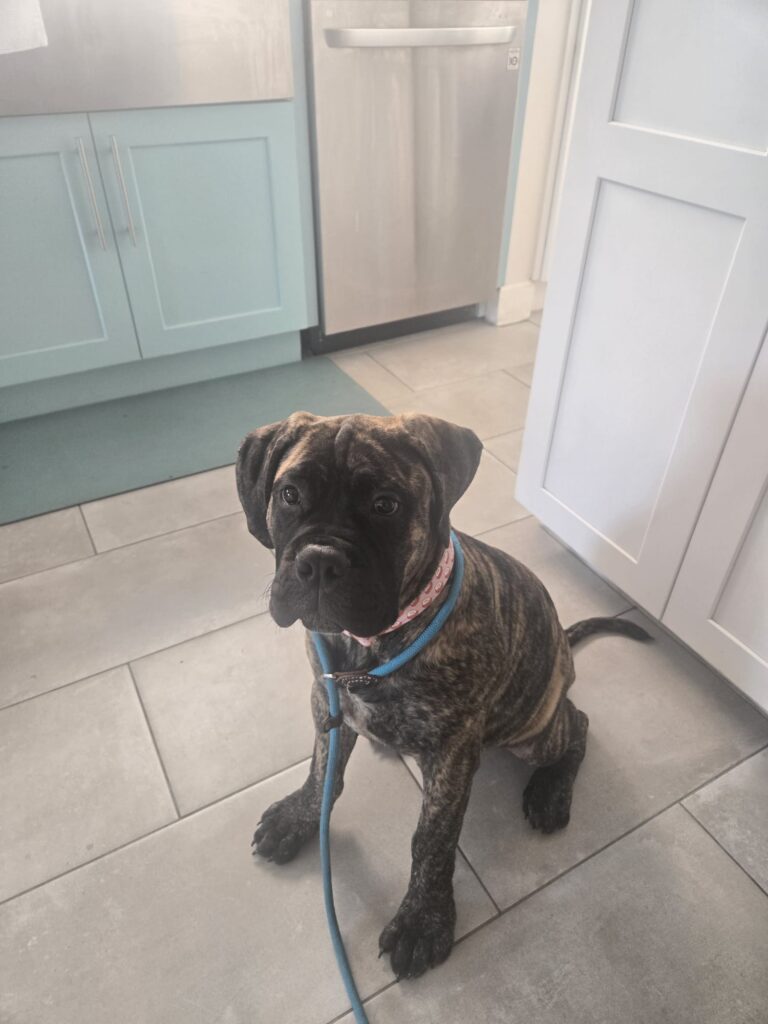
Puppy Habits Raquel Shapes Early
- Nipping Hands
- Chewing Shoes
- Jumping on Guests
- Paw and Ear Handling
- First Leash Walks
- Settling at Home
Puppy Socialization on Los Angeles Streets
Los Angeles is a loud place to be a puppy. Helicopters, leaf blowers, delivery scooters, farmers markets and high-rise elevators can all feel huge to a 12-week-old dog. Raquel plans gentle introductions to the sights and sounds your puppy will meet every week, at a pace it can handle.
Safe matters as much as early. AVSAB advises against dog parks and other places busy with dogs of unknown vaccination status. Until your vet clears your puppy, outings can mean being carried down a busy block, car rides and meetings with calm, vaccinated adult dogs. Raquel helps you pick the right ones.
The goal is a puppy that notices the world and stays relaxed. For older dogs who need more practice around people and dogs, dog socialization training picks up where this leaves off.
Puppy Training by Age: How the Focus Shifts
A 9-week-old needs safety, routine and gentle exposure, while a 5-month-old needs patience as teething, energy and independence all rise at once. Here is how a puppy plan with Raquel typically shifts.
| Age | What is happening | Training focus |
|---|---|---|
| 8 to 10 weeks | New home, new people, baby teeth fully in | Daily routine, name response, gentle handling, calm first outings |
| 10 to 16 weeks | Socialization window closing, curiosity at its peak | New sounds, surfaces and people in small doses, softer mouthing |
| 4 to 6 months | Baby teeth falling out, more energy and independence | Chewing outlets, jumping, coming when called, public manners |
Socialization window: AVSAB Position Statement on Puppy Socialization (2008). Teething ages: American Kennel Club
Puppy already past 6 months? The focus moves from prevention to reshaping habits. Adopted pups with an unknown start may also need rescue dog training.
Private Puppy Training or Puppy Classes?
Puppy training classes and puppy kindergarten give young dogs supervised play in a group. Private puppy training gives you one-on-one coaching in the place your puppy actually lives. For many households, the private route fits more easily around work, apartment life and a puppy not yet cleared for busy places.
Raquel does not run group puppy classes in Los Angeles. Her lessons cover your hallway, your elevator, your kids and your other pets. If you have been searching for puppy training near me, this is professional puppy training right where the habits start. Some owners look at a puppy boot camp in Los Angeles instead, but a pup sent away still has to learn the rules of your home later. As a private puppy trainer, Raquel gives you one-to-one puppy training and coaches every person your puppy lives with.
Why Puppy Parents Choose Raquel
Every visit, call and question goes to Raquel herself. She started Happy Paws and still trains each client personally, so the voice your 9-week-old learns is the one coaching you at month six. She was raised with German Shepherds on an isolated farm in Australia and later added an American Kennel Club training background.
- BBB A+: Better Business Bureau accreditation since 2016.
- 4.9 average: from clients on Google and Yelp, with 63 five-star Google reviews.
- The Way of Dogs: you learn to read what your puppy is telling you.
- Vet first when needed: when pain or illness could explain a behavior, Raquel suggests a vet visit before training continues.
- No bribes, no punishment: Los Angeles puppy training with Raquel uses no treats as bribes and no harsh corrections, and her work comes with a 100 percent guarantee (ask for details).
Meet Raquel and read her story before your first call.
More ways Raquel helps
Related Dog Training Services
Most dogs need a mix of skills. Raquel builds one plan around your dog, so these often fit together with puppy training.
Manners, boundaries and calm walks taught in your own home, where the habits started.
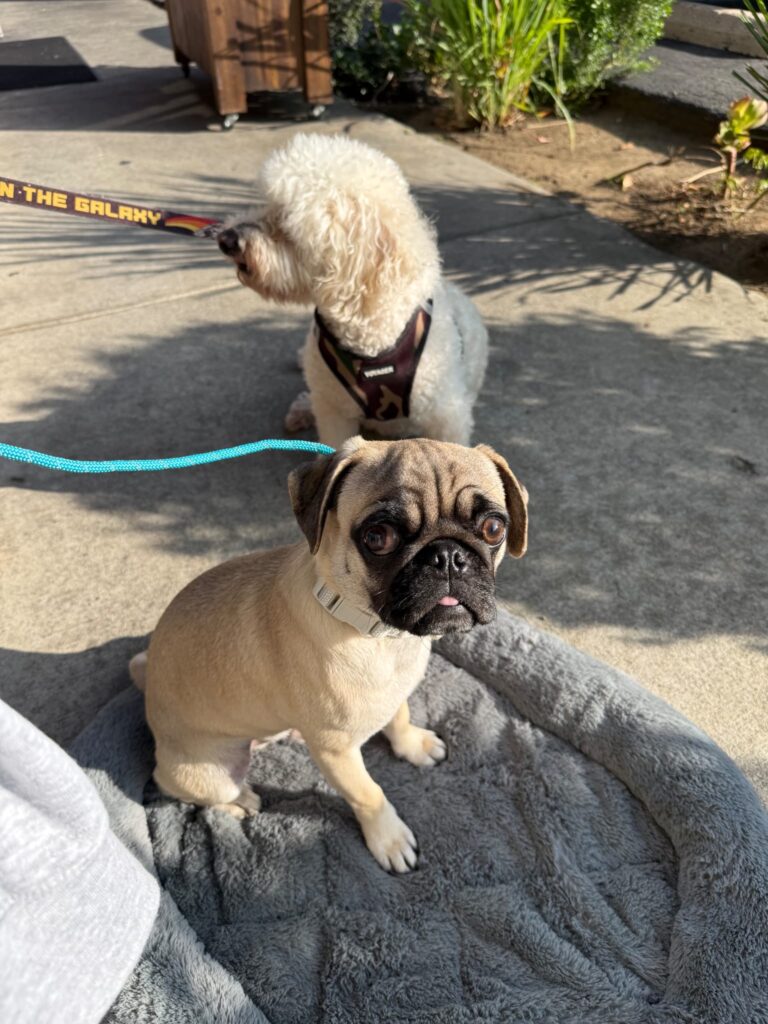
Calm behavior around dogs and people in real parks and on busy sidewalks.
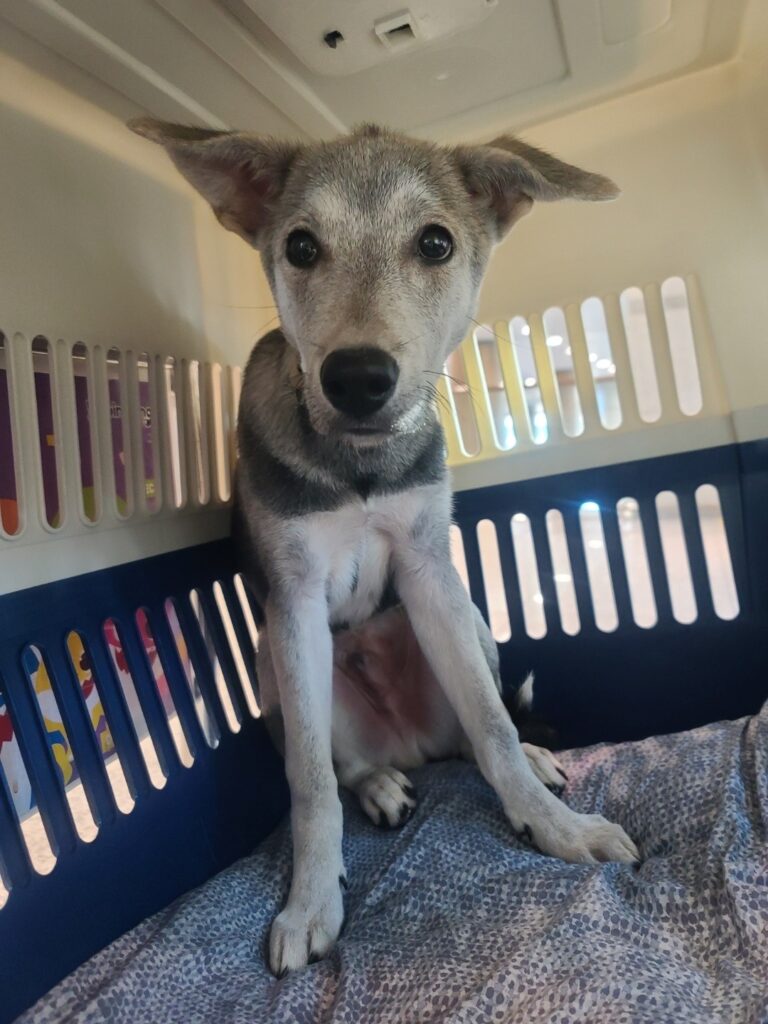
House and crate routines for houses, apartments and high-rise condos.
Pricing
How Pricing Works
Raquel shares package details and pricing on a short call, once she knows your puppy’s age and home.
PUPPY QUESTIONS
Puppy Training FAQs
What age is best to start puppy training?
Start the week your puppy comes home, usually around 8 weeks. AVSAB notes that puppies can begin classes as early as 7 to 8 weeks, during the prime window for socialization. Early lessons stay short and playful, shaped around your puppy’s age and energy.
Can a puppy start lessons before all its vaccines?
Yes, with sensible precautions. AVSAB calls socialization before full vaccination the standard of care and recommends at least one set of vaccines a week before a first class. Avoid dog parks and spots busy with unknown dogs until your vet says otherwise. In-home sessions keep early training away from those places.
Is 6 months too late for puppy training?
No. A 6-month-old learns quickly, though some habits may already be set, so training shifts from prevention to reshaping. Adolescence often brings a burst of independence too, which makes coaching the whole household even more important.
When do puppies grow out of biting and nipping?
Mouthing usually peaks during teething and fades as the permanent set finishes growing, by about 6 months according to the American Kennel Club. Puppies do not simply outgrow it, though. They need to learn how gentle their mouth must be with people, and a consistent response from everyone at home speeds that up.
Can you over-socialize a puppy?
Mouthing usually peaks during teething and fades as the permanent set finishes growing, by about 6 months according to the American Kennel Club. Puppies do not simply outgrow it, though. They need to learn how gentle their mouth must be with people, and a consistent response from everyone at home speeds that up.
Are private puppy lessons better than puppy classes?
Neither is better for every puppy. Puppy classes offer structured group play, while private lessons focus on your home, your schedule and your puppy’s specific habits. Private training suits busy households, puppies not yet cleared for groups and families who want everyone coached together.
What puppy behaviors are red flags?
Most puppy chaos is normal. Ask for help if your puppy hides or freezes for long stretches, stiffens or growls when touched or near its food, or panics in everyday situations. Raquel works as a puppy behaviorist as well as a trainer, after a vet check if pain could be involved.
What is included in a Puppy Package?
Puppy Packages are for pups under 6 months. Each starts with a One-Day In-Home Master Class of 3 to 5 hours, then follow-up sessions in your neighborhood or a local park, plus free advice for as long as you need. Raquel confirms the number of follow-ups on your first call.
Will a new puppy copy my older dog's habits?
Often, yes. Puppies watch the adult dogs they live with, so an older dog’s window barking or tension around food can rub off. Raquel looks at both dogs during the Master Class and sets up routines that give your puppy better examples.
What will my puppy have learned when the package ends?
Expect a strong start, not a finished adult dog. The aim is a puppy that knows its name and a few core cues, settles at home, accepts handling and copes with everyday LA noise. Just as important, your household knows how to keep that progress going.
Didn’t find your question? See the complete Happy Paws FAQ list.
Bringing Home a Puppy Soon?
The sooner I meet your puppy, the fewer habits you will need to undo later. Call me with your puppy’s age and how the first days have gone, and I’ll suggest where to begin. Prefer to type it out? Tell me about your puppy in writing.
