Leash Training · Los Angeles
Leash Training & Loose-Leash Walking in Los Angeles
Does your dog drag you down the block? Raquel teaches loose-leash walking at your front door, then on the streets you walk every day.
- In-Home & Private
- BBB A+ Accredited
- Training Since 2011
Ask About Leash Training
Tell Raquel about your dog and what is going wrong. She will call you back to talk it through.
Your details stay private. Prefer to talk now? (323) 629-3767
Leash Training
Leash Training in Los Angeles, From Front Door to Corner
Your shoulder aches before you reach the corner. Your dog zigzags across the sidewalk, dives at every smell and hauls you uphill like a sled team. With Raquel, leash training in Los Angeles changes that daily tug-of-war into a walk you both enjoy, on the streets where you actually live.
Raquel has worked with LA families since 2011, one household at a time. Like all of her dog training in Los Angeles, leash work begins at your front door and includes everyone who holds the leash. The payoff is freedom at both ends: your dog explores without straining, and you can finally look up from the pavement.
Why Dogs Pull, and Why the Habit Sticks
Dogs pull because pulling works. Each time your dog leans into the leash and you step forward, it gets closer to the tree, the smell or the dog it wanted. Add a faster natural pace and a city full of distractions, and pulling becomes the default.
Mixed rules keep the habit alive. If you stop when your dog pulls but a partner or dog walker keeps going, your dog learns that pulling sometimes pays off. The American Kennel Club compares this to a slot machine: an occasional win keeps the behavior going (AKC, 2019).
That is why dog training for leash pulling in Los Angeles works best when every handler follows one plan. A dog leash trainer sees the exact moment the leash goes tight. Raquel’s approach, The Way of Dogs, reads what your dog is communicating on the walk and changes the human habits that feed the pulling. There is no yanking, no punishment and no handful of treats used as a lure.
How Raquel's Loose-Leash Walking Training Works
Loose-leash walking training with Raquel starts with the person holding the leash. She watches a normal walk, notes where and why the leash tightens, then teaches you a clear, calm way of walking your dog can follow. You practice until it feels natural in your own hands.
Position, Pace and a Reliable Heel
Raquel shows you where your dog should walk in relation to your leg and how to hold the leash so it stays slack. Changes of pace and direction keep your dog checking in with you. For moments that need precision, such as a crowded crosswalk, she teaches a short heel.
The Master Class, Then Your Own Streets
Training opens with the One-Day In-Home Master Class, which runs 3 to 5 hours and covers leash manners at the door. Many owners feel the difference before that first visit ends. Then come optional 1 to 2 hour follow-ups on your sidewalks and in local parks, and free advice for as long as you need it. Read the details of Raquel’s in-home training format.
One Plan for Everyone Who Walks Your Dog
Partners, teenagers and roommates all learn the same response to a tight leash, so your dog gets one clear message. If your dog also needs help with sit, stay and waiting at the door, leash work fits neatly alongside dog obedience training.
Dog Walking Training for LA Sidewalks, Hills and Beach Paths
Walking a dog in Los Angeles is rarely a quiet loop around the block. Sidewalks buckle over tree roots, hillside streets turn a stroll into a climb, and beach paths fill with bikes and strollers. Dog walking training with Raquel happens in places like these, the real test of dog leash training in Los Angeles.
- Narrow sidewalks lifted by tree roots
- Steep streets in the hills and canyons
- Busy crosswalks and street corners
- Beach paths and boardwalks
- Apartment lobbies, elevators and garages
- Food smells outside cafes and taco stands
- Squirrels, cats and pigeons
- Joggers, cyclists and strollers
- Chicken bones and wrappers on the curb
- Hot pavement on summer afternoons
There is a legal side too. Under Los Angeles Municipal Code Section 53.06.2, a dog off its owner’s property must be controlled by a competent person on a leash no longer than six feet, unless it is in a designated dog exercise area. Leash training makes those six feet feel relaxed instead of tight.
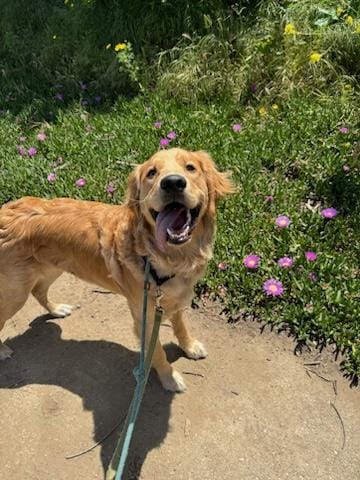
What leash training includes
Walks you look forward to, taught on your own streets
Walk Habits Raquel Helps You Change
- Pulling Toward Every Smell
- Zigzagging Underfoot
- Rushing Out the Door
- Planting and Refusing to Move
- Chewing the Leash
- Charging Into Crosswalks
Collars, Harnesses and Leads: Gear That Suits Your Dog
No collar, harness or leash teaches a dog to walk nicely by itself. The right gear can make walks safer and more comfortable, but the skill comes from training. Raquel considers your dog’s build, size and walking style, checks how your current gear fits, and talks you through whether anything should change.
In Australia, where Raquel grew up with German Shepherds on a remote farm, owners call this dog lead training. Whatever the name, the goal is the same: a lead that hangs in a soft curve. One LA detail: many retractable leads extend well past the six-foot city limit.
If your dog suddenly starts pulling, lagging, limping or coughing on walks, see your vet first. Pain changes how a dog moves, so Raquel will recommend a vet visit before training if anything medical might be behind it.
Leash Pulling or Leash Reactivity? How to Tell
Pulling and reactivity can both leave you with a sore arm, but the causes are not the same. A puller is eager to get somewhere. A reactive dog barks, lunges or growls at specific triggers, often other dogs, out of fear or frustration. Each needs its own plan, and the table below shows the main differences.
| Leash pulling | Leash reactivity | |
|---|---|---|
| What drives it | Excitement and wanting to get there faster | Fear, frustration or overexcitement at a trigger |
| What it looks like | Steady forward pull, zigzagging, diving at smells | Barking, lunging or growling at dogs, people or bikes |
| When it happens | Most of the walk, from the front door on | Mainly when a particular trigger appears |
| Body language | Loose body, nose down, tail relaxed or wagging | Stiff body, hard stare, raised hackles |
| Where to start | Loose-leash walking training | Reactive dog training, with leash skills built in |
Typical patterns Raquel sees on Los Angeles walks; every dog is assessed individually.
If walks fall apart mainly around other dogs, start with leash reactive dog training instead. Raquel will tell you honestly which plan suits your dog.
What Changes After Dog Leash Training With Raquel
The first thing that changes is usually how you handle the leash. You know what to do the moment it tightens, instead of hauling back or giving in. Your dog learns that a slack leash is what gets it moving, and walks start to feel like time together rather than a chore.
Once your dog walks reliably beside you, off-leash and advanced obedience training is a natural next step for extra freedom in safe, legal spaces.
Raquel is the only trainer you will deal with, start to finish. She has trained LA dogs since 2011, Happy Paws holds an A+ BBB rating, and her average rating is 4.9 on Google and Yelp alike. Her work comes with a 100 percent guarantee (ask for details), and she travels anywhere within 50 miles of Los Angeles. Meet Raquel or browse all of her training services.
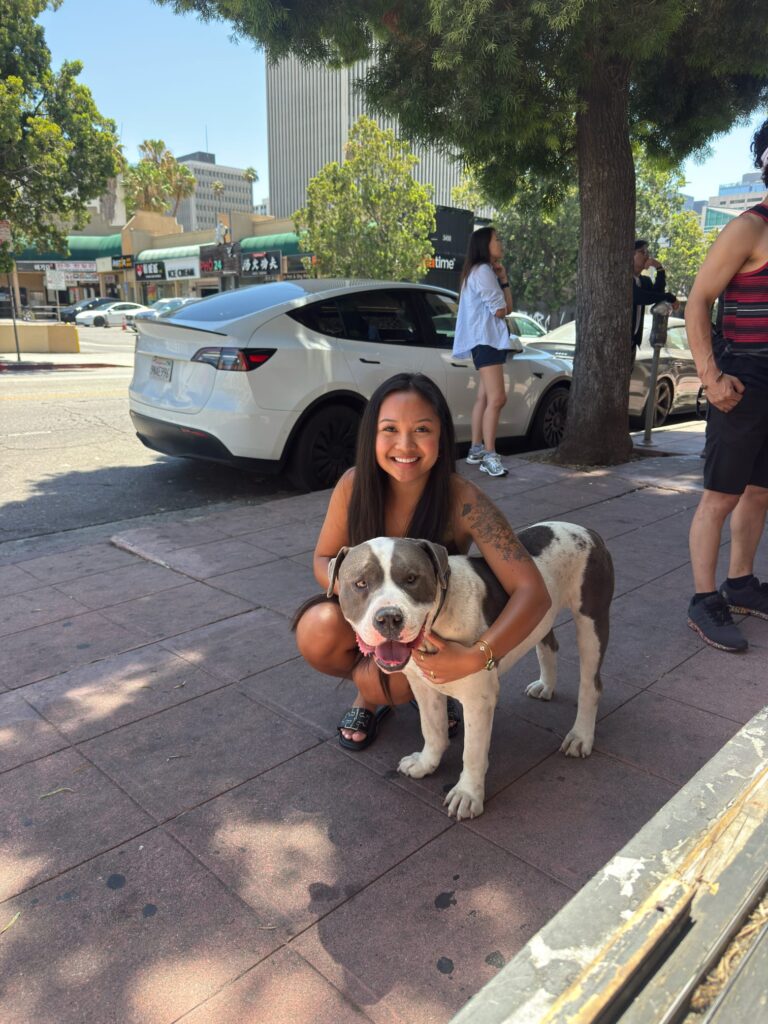
More ways Raquel helps
Related Dog Training Services
Most dogs need a mix of skills. Raquel builds one plan around your dog, so these often fit together with leash training.
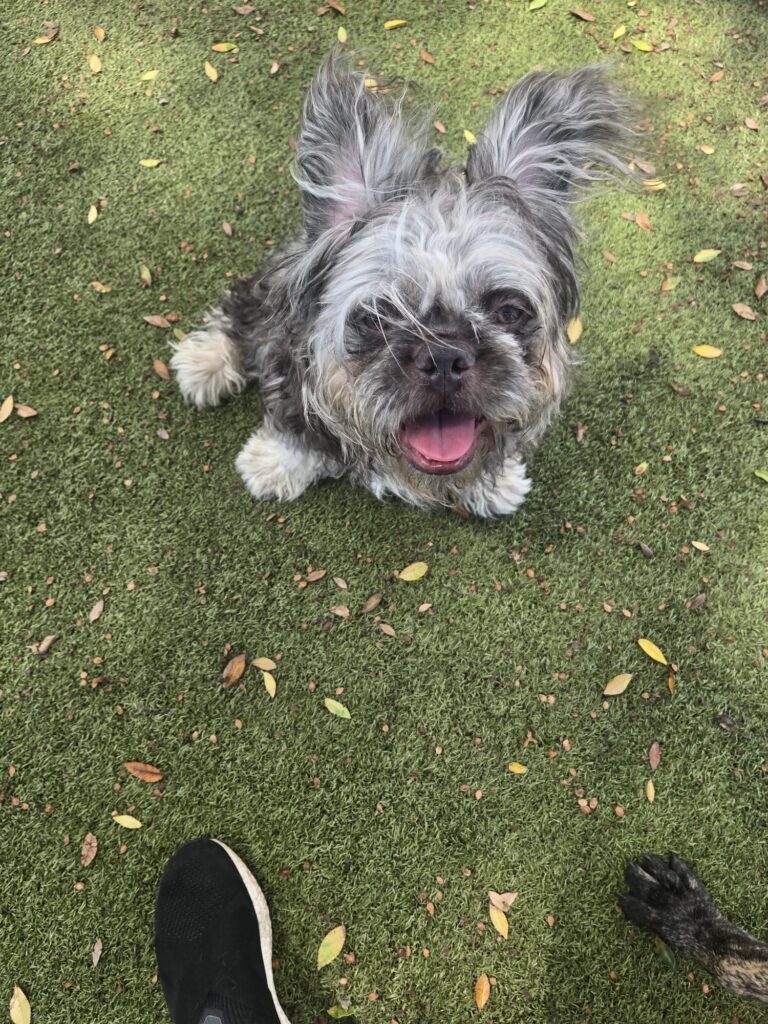
Sit, stay, come and polite greetings, proofed on real Los Angeles sidewalks.
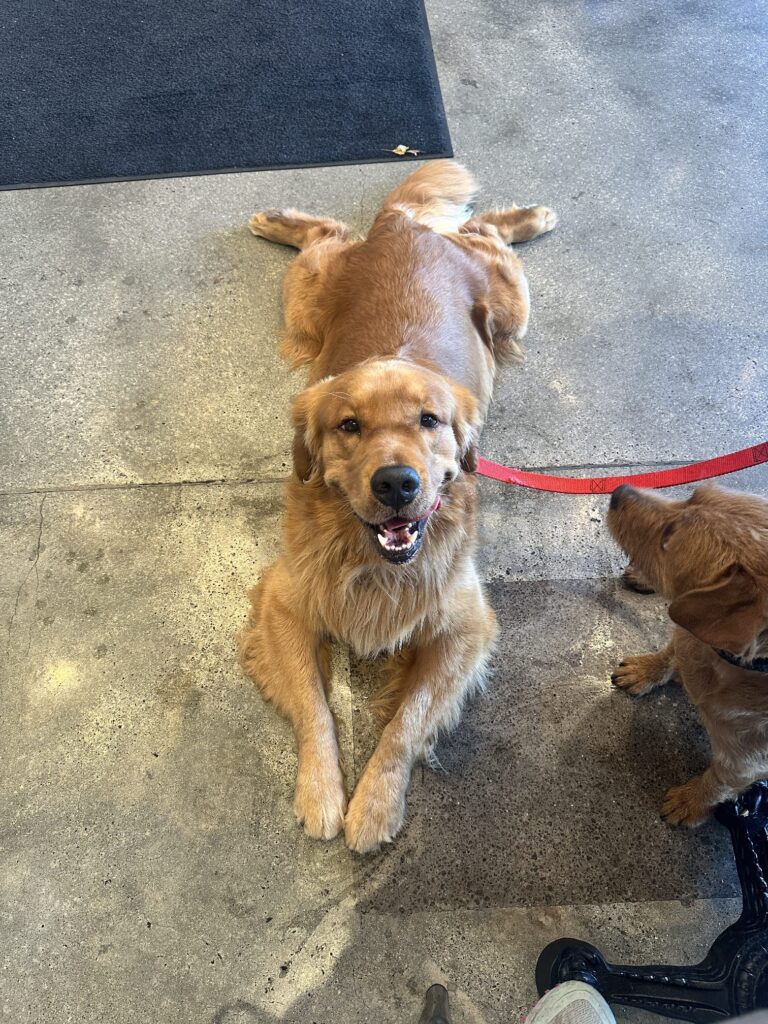
For dogs who bark and lunge at dogs, bikes, scooters or people on walks.
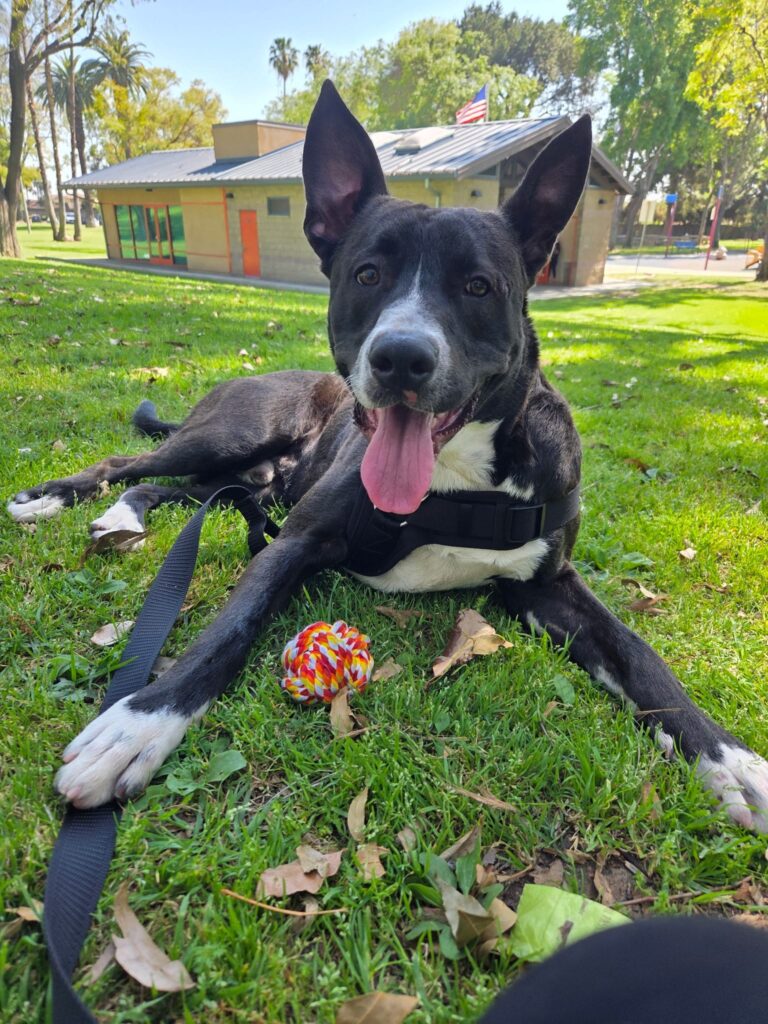
Reliable recall, distance stays and impulse control, proofed in real parks.
Pricing
How Pricing Works
Raquel prices leash training after hearing how your walks go today, so start with a quick call.
WALKING QUESTIONS
Leash Training FAQs
How do I get my dog to stop pulling on the leash?
Make pulling stop paying off and make a slack leash the way forward. That takes a clear walking position, the same handling from every person and practice around real distractions. Raquel teaches it in your home first, then on your own streets, where the habit actually lives.
What is loose-leash walking?
It means your dog walks near you on a slack leash, free to look around and sniff but not pulling. It is more relaxed than a formal heel, which is why it is the everyday goal for most owners on busy LA sidewalks.
How many weeks does it take to stop leash pulling?
You may see less pulling early on, but a reliable loose leash usually takes several weeks of daily practice. Age, energy, the age of the habit and how consistently everyone walks the dog all play a part. Follow-up sessions and Raquel’s free advice keep you moving through slow patches.
What is the difference between heel and loose-leash walking?
Heel is a precise position right beside your leg, matching your pace. Loose-leash walking lets your dog roam within a slack leash. Raquel can teach both: a tidy heel for crosswalks and crowds, and an easy loose leash for the rest of the walk.
Why is my dog calm indoors but a puller outside?
Outside is far more exciting than your hallway, and a skill learned indoors does not carry over by itself. Smells, sounds and other dogs all compete for attention. That is why Raquel moves practice from your home to your sidewalk, then to busier parks and shopping streets.
Can my dog still sniff on walks while it learns?
Yes. Sniffing is how dogs take in the world. The aim is to make sniffing something your dog does on a slack leash or when you give the okay. Raquel helps you build sniff breaks into walks without undoing good manners.
Will sessions happen on my usual walking route?
In most cases, yes. Training starts at your home, often right at the front door, then follow-up sessions move to your neighborhood streets and nearby parks. Your dog learns to walk well on the routes you take every day.
Can my dog walker join the sessions?
Ask Raquel when you call. She trains the whole household, and anyone who walks your dog regularly should handle the leash the way you do. Mixed rules are a common reason pulling creeps back, so a walker on the same plan protects your progress.
Which dogs benefit most from loose-leash walking lessons?
Strong pullers, small dogs that zigzag underfoot, adolescent dogs full of energy and adult rescues who never learned leash manners. If your dog barks or lunges at other dogs, Raquel may suggest reactive dog training instead of, or alongside, leash work.
What will walks look like after working with Raquel?
Expect a dog that understands what a slack leash means and an owner who knows how to respond the moment pulling starts. Results depend on daily practice and vary from dog to dog, but the aim is walks that feel calm and manageable for whoever holds the leash.
Didn’t find your question? See the complete Happy Paws FAQ list.
Ready for a Walk Without the Tug-ofWar?
Tell me where your walks go wrong, whether it is the front gate, the hill on your street or the busy corner by the coffee shop, and I’ll sketch out where I’d begin with your dog. Rather put it in writing? Use the contact form.
