Dog Obedience Training · Los Angeles
Dog Obedience Training in Los Angeles
Everyday manners taught where your dog needs them: at your front door, on the sidewalk and under the brunch table
- In-Home & Private
- BBB A+ Accredited
- Training Since 2011
Ask About Dog Obedience Training
Tell Raquel about your dog and what is going wrong. She will call you back to talk it through.
Your details stay private. Prefer to talk now? (323) 629-3767
Dog Obedience Training
Dog Obedience Training in Los Angeles That Holds Up Outside
With Raquel, dog obedience training in Los Angeles teaches your dog to sit, stay, wait and settle when life gets loud. That means the doorbell, a delivery driver or a crowded sidewalk on a Saturday morning. Training starts in your home and then moves outside, so good manners do not stay stuck in your living room.
Raquel founded Happy Paws and is its only trainer. She has offered one-on-one dog training in Los Angeles since 2011 and runs every session herself. You learn right alongside your dog, so the cues work for everyone in the house, not only the trainer.
Private Obedience Training or Dog Obedience Classes?
Group dog obedience classes in Los Angeles teach cues in a shared space with several dogs and one instructor. Private obedience training teaches the same cues where your dog actually slips up: your entryway, your block, your local park. If the trouble shows up at home or on your street, private work reaches it sooner.
A class can suit a confident dog that only needs the basics. It is harder for a dog too excited to think around a room of dogs, or for a family whose real problem is the front door. A dog obedience school or dog training school in Los Angeles can only pretend a doorbell is ringing. Raquel trains with yours.
Group dog training classes, board and train and daycare are not part of Happy Paws. If your search for dog obedience classes near me keeps turning up crowded rosters, consider a private trainer who comes to your home. Not all dog obedience trainers come to you, and here the plan is built around one dog: yours.
The Cues Obedience Training Covers
Reliable obedience starts with a short set of cues your dog understands everywhere. Raquel shapes the list around your household, so a high-rise dog may focus on elevator manners and a house dog on gates and the yard.
- Sit, held until you release it
- Down, for calm moments in public
- Stay, with added distance and time
- Come, the start of a dependable recall
- Place, a go-to spot at home
- Leave it, for dropped food and trash
- Wait at doors, gates and the car
- Off, for counters, couches and people
- Calm greetings with visitors
- Settling quietly under a table
Heel and loose-leash walking get their own focus in leash training for dogs who pull. Long-distance recall belongs to the advanced stage.
Hand Signals and Body Language
Dogs read your body before your words. In a study of trained water rescue dogs, gestures produced more correct responses than spoken cues. When the two clashed, the dogs generally followed the gesture (D’Aniello et al., Animal Cognition, 2016).
That matters for everyday canine obedience training. Say “stay” while leaning forward, and your body may be asking for something else. Raquel watches how each person moves and helps the household send one clear message.
Questions About Dog Obedience Training?
Talk it through with Raquel before you book.
Moments Obedience Training Prepares For
- Doorbell and Deliveries
- Visitors Walking In
- Patio Brunch
- Elevator Rides
- Food on the Sidewalk
- Waiting at the Curb
Manners for Everyday Los Angeles Life
Good dog obedience in Los Angeles is measured in real moments, not in a quiet training room. Think doorbells, shared elevators, patio brunch and packed sidewalks. The table matches common LA situations to the skill behind each one and a related Canine Good Citizen test item.
| Everyday LA moment | Skill behind it | Related AKC CGC test item |
|---|---|---|
| Doorbell rings and a guest walks in | Place, then a calm hello | Accepting a friendly stranger |
| A neighbor asks to pet your dog | Holding a sit while being touched | Sitting politely for petting |
| Brunch on a dog-friendly patio | Down and stay under the table | Sit and down on cue, staying in place |
| Farmers market, crowded lobby or busy block | Staying with you past strangers | Walking through a crowd |
| A skateboard or leaf blower close by | Keeping a cue through the noise | Reaction to distraction |
| Vet exams and grooming | Standing still for handling | Appearance and grooming |
Test item names from the American Kennel Club.
The AKC Canine Good Citizen program is a ten-skill test of everyday manners. With an American Kennel Club training background, Raquel works toward the same result: a dog you can take places without bracing yourself.
How Obedience Training With Raquel Works
Obedience training with Raquel runs in three stages: a long first visit in your home, shorter follow-ups outdoors and free advice afterward. Each stage adds a little more real-world difficulty, from the kitchen floor to the busiest corner of your block.
Day One: The In-Home Master Class
Day one is a single long visit, 3 to 5 hours, inside your home. Raquel sees how your dog lives, introduces the core cues and coaches every adult who handles your dog. She calls her approach The Way of Dogs. It starts with what your dog is trying to tell you, then builds a steady daily rhythm and swaps out the owner habits that feed old problems. There are no treats used as bribes and no punishment, and the visit is charged by the visit, not the hour.
Next: Park and Neighborhood Sessions
Follow-up sessions of 1 to 2 hours take the same cues into local parks and onto nearby streets. This is where a sit becomes a sit beside a passing jogger, and a stay holds while kids on scooters roll by.
After the Visits: Free Advice When You Get Stuck
Raquel gives free advice for as long as you need it, so a stalled cue gets an answer before old habits creep back. Her work also comes with a 100 percent guarantee (ask her for the details).
From Basic Obedience to Advanced Skills
Basic obedience dog training in Los Angeles gives your dog the base for everything it learns later. Once cues hold up around distractions, you can build longer stays, distance work and more freedom. Raquel helps you judge when your dog is ready to move up.
Young dogs often begin with puppy training and early house manners before taking on the full cue list. Dogs with steady basics can move on to advanced obedience and off-leash work, where recall and distance control get tested in bigger spaces.
Why LA Families Choose Raquel for Obedience
Families choose Raquel because one experienced trainer stays with them from the first conversation to the final check-in. She has worked with LA dogs and their owners since 2011, and Happy Paws has held an A+ rating with the Better Business Bureau since 2016. Her rating sits at 4.9 on Google and on Yelp, and she serves Los Angeles and everything within a 50-mile radius.
Her first lessons in reading dogs came from the German Shepherds of her childhood in rural Australia. Reviewers keep pointing to one thing: she trains the humans as much as the dog. For Los Angeles dog obedience training, that is what keeps a cue working after the last session.
Meet Raquel, the trainer behind every session, or browse every Happy Paws training service
More ways Raquel helps
Related Dog Training Services
Most dogs need a mix of skills. Raquel builds one plan around your dog, so these often fit together with dog obedience training.
Manners, boundaries and calm walks taught in your own home, where the habits started.
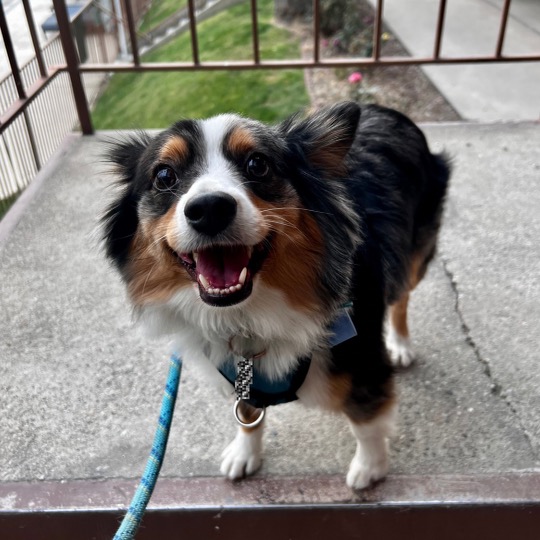
Loose-leash walking from your front door to the busiest blocks in town.
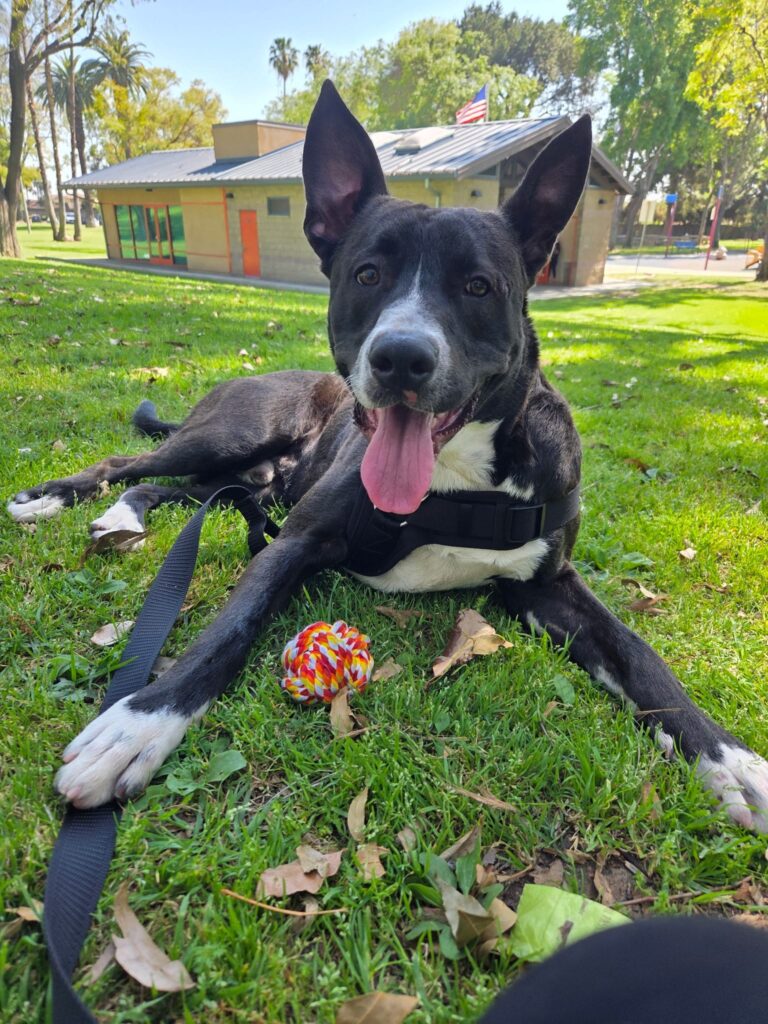
Reliable recall, distance stays and impulse control, proofed in real parks.
Pricing
How Pricing Works
Each plan depends on your dog and your goals, so Raquel talks it through with you before giving a quote.
OBEDIENCE ANSWERS
Dog Obedience Training FAQs
What are the 7 basic commands for dogs?
Most lists name sit, down, stay, come, heel, off and leave it, though some swap in place or wait. The exact seven matter less than whether your dog responds the first time, in the spots you visit every week. That everyday reliability is what Raquel trains for.
What skills does a dog learn in obedience lessons?
Dog obedience training teaches cues such as sit, down, stay and come, plus manners like waiting at doors and greeting people calmly. Good lessons also teach the owner to give cues clearly. With Raquel, practice moves from your living room to parks and sidewalks so the skills hold up anywhere.
Why does my dog listen at home but not outside?
Dogs do not transfer cues well from one place to another. A sit learned in a quiet kitchen is a different task on a sidewalk full of smells, skateboards and other dogs. Each new setting needs practice, starting easy and adding distractions gradually. That is why Raquel moves sessions outdoors.
What is the place command for dogs?
Place means go to a set spot, such as a mat or dog bed, lie down there and stay until released. It gives your dog a clear job when the doorbell rings, during dinner or while guests settle in.
Should you repeat a command if your dog ignores it?
Try not to. Saying “sit, sit, SIT” teaches your dog that the first word is optional. Say it once and give your dog a moment. If nothing happens, the cue probably is not solid in that setting yet, which shows exactly what to practice next.
Should dogs learn hand signals as well as voice cues?
Both are useful. In a 2016 study in Animal Cognition, dogs trained on both responded more reliably to gestures than to spoken cues. Signals also help across a noisy street or as hearing fades with age. Raquel helps everyone at home keep words and gestures consistent.
How long until obedience holds up in public?
Most dogs learn cues at home quickly. Holding them around traffic, crowds and other dogs takes longer, often several weeks of short daily practice. Age, energy, history and household consistency all play a part. Park sessions and Raquel’s free advice keep progress moving.
Can obedience sessions prepare my dog for patios and lobbies?
Yes, that is the goal. Sessions happen in your home, your neighborhood and local parks, so your dog practices around real distractions before you try a cafe patio or busy lobby. Tell Raquel which places you visit most, and she will plan sessions around your routine.
Who is private obedience training a good fit for?
It suits busy households, dogs that get too excited to focus in a group, and families who want everyone using the same cues. It also suits dogs whose problems appear mostly at home, like rushing the door. Puppies, adult dogs and rescues can all start here.
What will my dog be able to do after obedience training?
Expect a dog that responds to everyday cues at home and in familiar public places, and a household that knows how to keep those cues sharp. Results depend on daily practice, and Raquel backs her work with a 100 percent guarantee (ask for details). You leave with a plan you understand.
Didn’t find your question? See the complete Happy Paws FAQ list.
Want Manners That Survive the Doorbell?
Tell me which moment falls apart first: the front door, the dinner table or the sidewalk. I’ll tell you which skill I’d tackle first and how the first visit unfolds. Rather put it in writing? Write to me here.
