
Potty & House Training · Los Angeles
Potty Training & House Training in Los Angeles
Puddles by the door, accidents on the rug, a puppy who goes the moment you come back inside? Raquel builds a potty routine that fits your LA home, from a house with a yard to a 20th-floor condo.
- In-Home & Private
- BBB A+ Accredited
- Training Since 2011
Ask About Potty & House Training
Tell Raquel about your dog and what is going wrong. She will call you back to talk it through.
Your details stay private. Prefer to talk now? (323) 629-3767
Potty & House Training
Dog Potty Training in Los Angeles That Fits the Way You Live
You took your dog out ten minutes ago. Now there is a puddle by the couch and a guilty look you have seen too many times. With Raquel, dog potty training in Los Angeles stops being a guessing game. She builds one clear routine around your dog, your schedule and your home, and teaches everyone in the house to follow it.
Raquel has helped LA families since 2011, one household at a time, and house breaking is part of the everyday work she does. Like all of her dog training in Los Angeles, potty training happens in your home, where the habits formed. That is the place to fix them the right way the first time, instead of mopping up “band-aid” fixes for months.
Why Dogs Have Accidents Indoors
Most accidents are not stubbornness. A dog goes where it went last time, when it can no longer hold it, or when nobody has shown it a better option. Scent left behind by an old accident tells your dog the spot is a toilet, so the habit repeats.
Young puppies also have limited bladder control. As a general guide, the American Kennel Club suggests a puppy can hold its bladder for about one hour for every month of age (AKC). A three-month-old left alone for half a day is set up to fail.
Mixed rules make it worse. If one person scolds, another uses pads and a dog walker skips the potty break, your dog never learns what you want. Raquel’s method, The Way of Dogs, reads what your dog is telling you, such as sniffing, circling or wandering off, and builds a routine everyone follows. There is no rubbing noses, no punishment and no treats used as bribes.
How Raquel's House Training Plan Works
House training with Raquel starts with your real day. She asks when your dog eats, sleeps, plays and is left alone, then turns that into a potty schedule your household can keep. You practice the routine with your own dog before she leaves.
A Schedule Built Around Your Day
Potty breaks are timed to the moments dogs most often need to go: after waking, eating, drinking, playing and before bed. Raquel shows you how to read the early signs, so you get your dog outside before the accident instead of after it.
Crate Training Done Kindly
A crate can be a calm den that helps a dog hold it overnight, never a punishment. Raquel helps you choose the right size, introduce it slowly and use it so your dog walks in on its own. If your dog panics when you leave, she may combine potty work with separation anxiety training.
The Master Class, Then Free Advice
Training opens with the One-Day In-Home Master Class, which runs 3 to 5 hours and sets the routine, the potty spot and the house rules. Optional 1 to 2 hour follow-ups and free advice for as long as you need it help you through the first weeks. Read the details of Raquel’s in-home training format.
One Routine for the Whole Household
Raquel believes 80 percent of training is about the human. Partners, kids, nannies and dog walkers all learn the same cue, the same spot and the same response to an accident. For pups under 6 months, potty training is part of her puppy training packages.
Potty Training for LA Apartments, Condos and Houses
House training in Los Angeles depends a lot on where you live. A dog in a Westside house with a yard has a very different routine from a dog on the 20th floor of a Downtown high-rise. Raquel plans dog crate training and potty breaks around the setups and schedules LA owners actually deal with.
- High-rise condos with long elevator rides
- Apartments with no yard
- Balconies and small patios
- Shared courtyards and building lobbies
- Houses with a yard or doggy door
- Long commutes and office days
- Dog walkers and pet sitters
- Hot pavement on summer afternoons
- Weekend trips and new places
- Guests, parties and holidays
There is a city side too. Los Angeles expects owners to clean up after their dogs in public spaces, and many buildings have their own pet rules. A dog that goes on cue in a chosen spot makes city walks quicker, cleaner and easier on your neighbors.
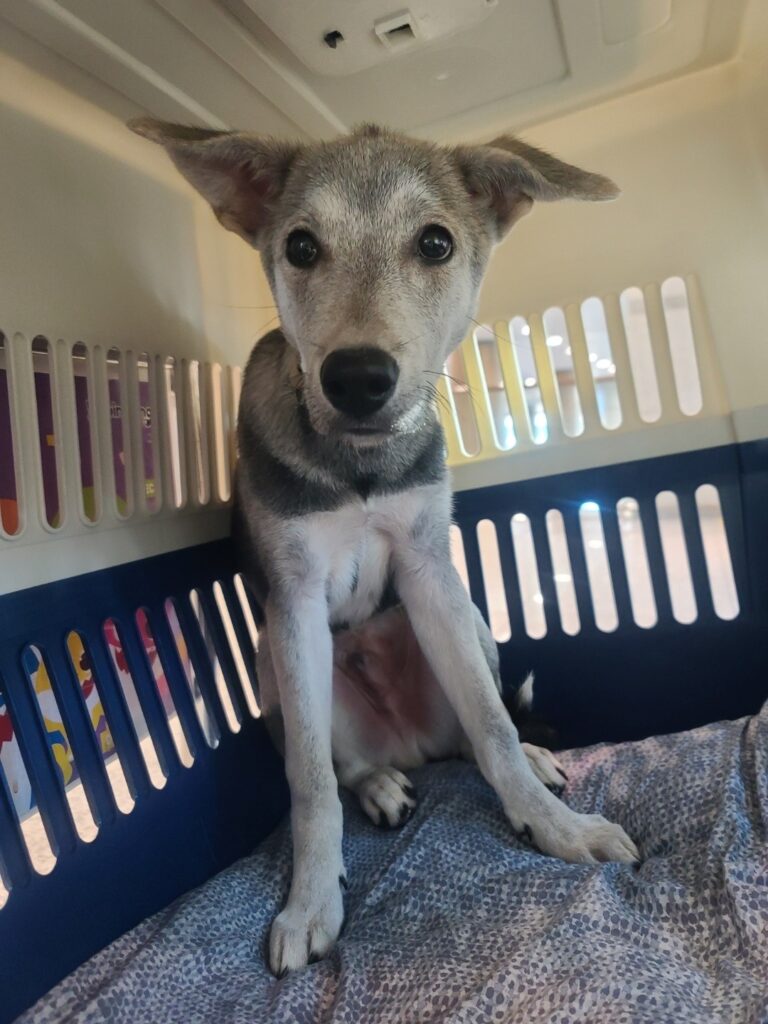
Questions About Potty & House Training?
Talk it through with Raquel before you book.
Potty Problems Raquel Helps You Solve
- Accidents Right After Walks
- Marking Furniture and Doors
- Soiling the Crate
- Peeing When Excited or Nervous
- Going on Rugs and Beds
- Night-Time Accidents
Crates, Pads and Grass Patches: What Actually Helps
No product potty trains a dog by itself. Pads, grass patches and crates can help in the right home, but the skill comes from the routine. Raquel looks at your space, your dog’s size and how long it is alone, then tells you honestly which tools to use and which to drop.
Puppy pads can work in a high-rise, but they can also teach a dog that soft floors are fine. If you use them, Raquel shows you how to keep them in one place and phase them out. Enzyme cleaners matter too, because ordinary sprays leave scent your dog can still find.
If a house-trained dog suddenly starts having accidents, drinking more or straining, see your vet first. Urinary infections and other health problems are common causes, and ruling those out first saves you weeks of frustration.
Puppy Potty Training or Adult House Training? How They Differ
Puppies and adult dogs both learn to go outside, but the reasons for accidents are not the same. A puppy is still building bladder control. An adult or rescue dog often has a habit to undo, or never learned the rules of a home. The table shows the main differences Raquel plans around.
| Puppy (under 6 months) | Adult or rescue dog | |
|---|---|---|
| Why accidents happen | Small bladder and no routine yet | Old habits, marking, stress or a new home |
| How often they need out | Very often, especially after sleep, meals and play | Less often, but on a steady schedule |
| What changes first | Fewer accidents once the schedule is set | Fewer repeat spots once old scent is gone |
| Common setbacks | Excitement, teething and growth spurts | Moves, new people and changes in routine |
| Where to start | A puppy package with potty routines built in | Potty training, often alongside rescue dog training |
Typical patterns Raquel sees in Los Angeles homes; every dog is assessed individually.
If your dog is newly adopted and also nervous or shut down, rescue dog training may be the better place to start. Raquel will tell you honestly which plan suits your dog.
What Changes After House Training With Raquel
The first thing that changes is usually you. You know when your dog needs to go, where it should go and what to do if an accident happens. Your dog learns that one spot, one cue and one routine get the same result every time, and the guessing stops on both ends of the leash.
Once your dog is reliable at home, dog obedience training is a natural next step for manners at the door, on the sidewalk and with guests.
House training is personal, and so is the help. The person who answers your call is the person who comes to your home, and Raquel has been doing exactly that for LA families since 2011. Happy Paws is BBB accredited with an A+ rating, and clients rate her 4.9 stars on both Google and Yelp. Read Raquel’s story, or compare every Happy Paws training service.
More ways Raquel helps
Related Dog Training Services
Most dogs need a mix of skills. Raquel builds one plan around your dog, so these often fit together with potty & house training.
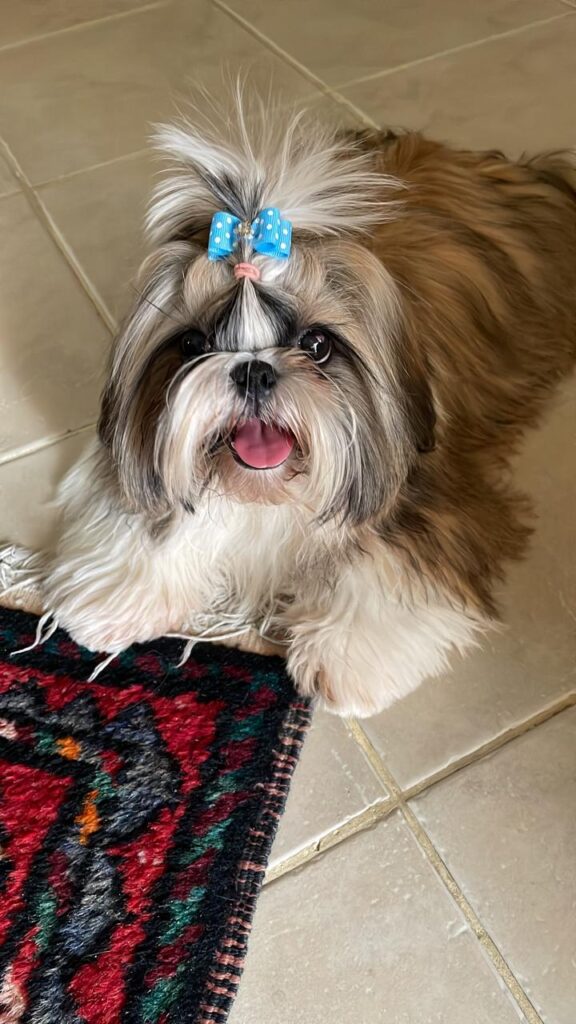
Manners, boundaries and calm walks taught in your own home, where the habits started.

Biting, potty routines and first cues for puppies, taught at home from day one.
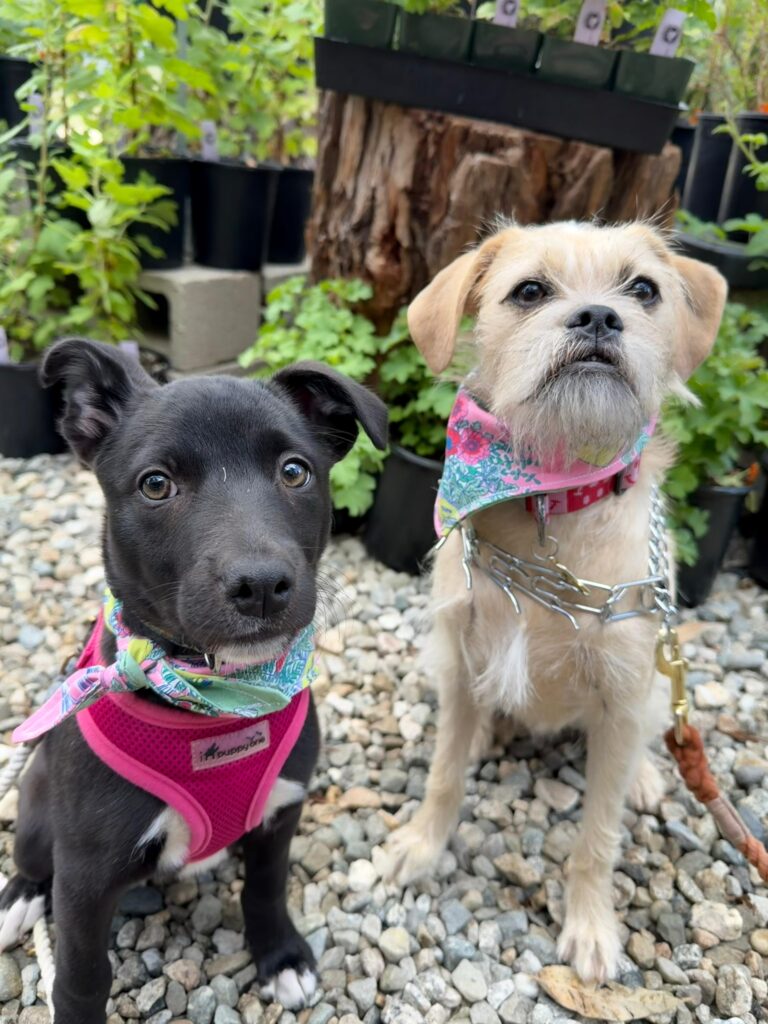
Decompression, trust and house rules for newly adopted dogs.
Pricing
How Pricing Works
Every home is different, so Raquel quotes potty training after a short chat about your dog and your space.
POTTY QUESTIONS
Potty Training FAQs
How long does it take to potty train a dog?
Many dogs improve within days once a clear schedule is in place, but a fully reliable dog usually takes several weeks. Age, past habits and how consistently everyone follows the routine all matter. Raquel’s follow-ups and free advice help you through the slow patches.
What is the fastest way to house train a puppy?
Take your puppy out on a steady schedule, always to the same spot, and calmly praise it the moment it goes. Supervise indoors and use a crate or small area when you cannot watch. Speed comes from consistency, not punishment.
Should I use puppy pads in an apartment?
They can help in a high-rise or when you work long hours, but they can also teach a dog that soft floors are acceptable. If you use pads, keep them in one place and plan how to phase them out. Raquel will help you decide what suits your building.
Is crate training cruel?
No, not when it is done kindly. A crate sized and introduced well becomes a quiet den that helps a dog settle and hold it overnight. It should never be used as punishment or for long stretches. Raquel shows you how to make the crate a place your dog chooses.
Why does my house-trained dog suddenly have accidents?
Sudden accidents in a trained adult dog are often medical, such as a urinary infection, so see your vet first. Stress from a move, a new baby or a schedule change can also cause setbacks. Once health is cleared, Raquel helps you reset the routine.
Can you potty train an older or rescue dog?
Yes. Adult and rescue dogs can learn house rules at any age. Many simply never had a routine, or learned habits in a shelter or a previous home. Raquel builds a plan around your dog’s history and gives it time to settle into your home.
How do I stop my dog going in the same spot?
Clean the spot with an enzyme cleaner so no scent is left, then limit access while the new routine takes hold. Taking your dog out before it usually goes there breaks the pattern. Raquel shows you how to change the spot’s meaning for your dog.
Should I punish my dog for an accident?
No. Punishment teaches a dog to hide when it goes, which makes training harder. Calmly take your dog to its potty spot, clean up well and adjust the schedule. Raquel never uses punishment or fear, only clear, calm guidance your dog can read.
Can my dog walker follow the same plan?
Yes, and it helps a lot. Anyone who takes your dog out should use the same cue, spot and timing. Raquel trains the whole household, and a walker or sitter on the same plan protects your progress while you are at work.
Does Raquel help with marking?
Yes. Marking is different from a full accident and often has to do with stress, new dogs, new objects or unclear house rules. Raquel looks at what triggers it in your home and builds a plan to stop it, with a vet check first if anything seems medical.
Didn’t find your question? See the complete Happy Paws FAQ list.
Ready for a Home Without Accidents?
Tell me where the accidents happen, whether it is the rug by the door, the crate or the elevator on the way out, and I’ll tell you where I’d begin with your dog. Prefer to send the details first? Send Raquel a message.
